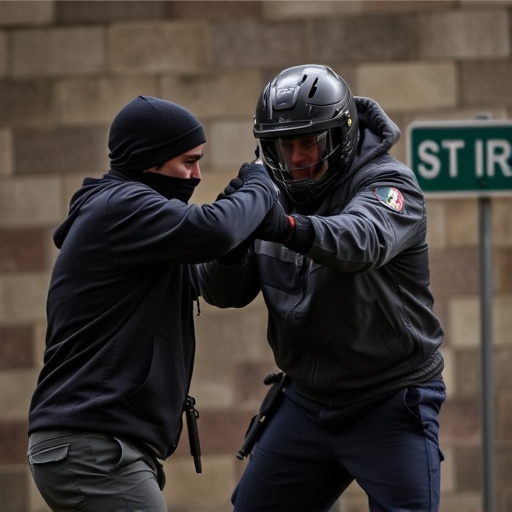
Defensive pepper spray, using capsaicin to temporarily disable attackers at 2–3 meter (6-10 foot) range, is an effective self-defense tool. Maximize impact by targeting eyes and respiratory tracts while maintaining distance to avoid cross-contamination. Understand legal frameworks, proper usage techniques, maintenance, and expiration dates for optimal deployment within the defensive pepper spray distance range.
“Discover the power of defensive pepper spray as a crucial self-defense mechanism. This comprehensive guide explores its active ingredient, how it temporarily impairs sensory perception, and factors that influence its effective defensive spray distance range. Learn essential strategies for optimal use, along with legal considerations and safety precautions. Enhance your knowledge of this game-changing personal defense tool.”
- Understanding Pepper Spray's Active Ingredient
- How Pepper Spray Impairs Sensory Perception
- Factors Influencing Defensive Spray Range
- Effective Use Strategies for Optimal Defense
- Legal Considerations and Safety Precautions
Understanding Pepper Spray's Active Ingredient
Pepper spray, a common defensive tool, is designed to disrupt an assailant’s vision and respiratory system through its primary active ingredient—capsaicin. This natural compound is derived from chili peppers and is known for its pungent and irritant properties. Understanding capsaicin’s mechanism of action is crucial in comprehending the effectiveness of pepper spray as a deterrent.
The defensive pepper spray distance range varies depending on factors like concentration, weather conditions, and application method. However, it generally works best within 2–3 meters (6–10 feet). This range allows users to deploy the spray at close to mid-distance, ensuring maximum impact while maintaining a tactical advantage. By knowing the active ingredient and its optimal deployment zone, individuals can make informed decisions when choosing and using defensive pepper spray as a means of self-defense.
How Pepper Spray Impairs Sensory Perception
Pepper spray, a common self-defense mechanism, impairs an assailant’s sensory perception by triggering a chain reaction in their eyes and respiratory system. When deployed, the spray creates a cloud of capsaicin, the active ingredient responsible for the burning sensation associated with chili peppers. This irritates the mucous membranes, causing tears, redness, and temporary blindness. The defensive pepper spray distance range typically allows users to deploy it from several meters away, providing enough space for escape.
The impact is immediate and intense, disrupting balance and coordination due to the eyes’ inability to focus. Inhaling the spray leads to coughing fits and difficulty breathing, further disorienting the attacker. This temporary sensory overload gives the user an opportunity to create distance or seek help. The defensive pepper spray distance range, when used effectively, ensures users can activate it from a safe distance, making it a valuable tool for personal safety.
Factors Influencing Defensive Spray Range
The defensive pepper spray distance range can vary significantly based on several factors, including the quality and type of spray used, environmental conditions, and the user’s technique. High-quality defensive sprays are designed to provide a more consistent and longer reach, often ranging from 20 to 40 feet (6 to 12 meters). However, factors like wind speed and direction can significantly impact this range, with strong winds blowing the spray away from its intended target.
Additionally, the angle at which the spray is deployed plays a crucial role. Spraying directly towards an attacker increases the likelihood of reaching them, while spraying at a glancing angle might reduce the effective distance. The user’s fitness level and dexterity can also affect how accurately and far they can project the spray, especially in high-stress situations. Understanding these factors is essential for optimal use of defensive pepper spray as a personal safety tool.
Effective Use Strategies for Optimal Defense
To ensure optimal defensive pepper spray distance range effectiveness, users must understand and employ specific strategies. First, maintain a safe distance, typically 2 to 3 meters (6 to 10 feet), from the attacker to avoid direct contact and reduce the risk of cross-contamination. This strategic positioning allows for a controlled deployment of the spray, maximizing its reach while minimizing exposure.
Additionally, target vulnerable areas like the face, eyes, and nose, as pepper spray is most effective against these sensitive regions. Aiming accurately and using a swift motion can significantly impair an assailant’s vision and breathability, providing crucial time to escape or call for help. Regular training in proper usage techniques is paramount to ensure confidence and precision when facing a dangerous situation.
Legal Considerations and Safety Precautions
The use of defensive pepper spray as a deterrent or for self-defense comes with a range of legal considerations and safety precautions to be aware of. Each jurisdiction has its own laws governing the possession, carrying, and use of pepper spray, so understanding local regulations is paramount. In many places, carrying pepper spray for personal protection is legal, but restrictions apply regarding where it can be used, who can purchase it, and how much can be possessed. For instance, there are often minimum age requirements, registration processes, or limitations on the amount of spray allowed per individual.
Safety precautions should also be prioritized when employing pepper spray as a defense mechanism. Users must be trained in its proper application to ensure effectiveness while minimizing collateral damage. It’s crucial to maintain awareness of the defensive pepper spray distance range—typically between 2-3 meters (6-10 feet)—to guarantee accuracy and prevent accidental harm to bystanders. Additionally, regular maintenance and expiration dates of the spray should be considered to ensure optimal performance when needed.
Pepper spray, with its proven effectiveness as a defensive tool, offers individuals an essential layer of personal protection. By understanding the active ingredient’s impact on sensory perception and mastering application techniques, users can maximize its range and potency. The optimal defensive pepper spray distance range is influenced by various factors, emphasizing the need for strategic deployment. Additionally, legal considerations and safety precautions are paramount to ensure responsible use. Armed with knowledge, individuals can confidently navigate potentially dangerous situations while leveraging this powerful deterrent.